
Why Every Business Needs Digital Marketing
In today’s fast-changing world, the way businesses connect with customers has transformed significantly. Earlier, companies depended mainly on traditional marketing methods such as newspaper advertisements, radio, television, and billboards to promote their products or services. While these methods are still useful in certain situations, the rapid growth of the internet and digital technology has changed how people discover and interact with brands.
Today, most customers begin their buying journey online. They search on Google, watch product videos, read reviews, and check social media before making a purchase decision. Because of this shift in consumer behavior, digital marketing has become an essential strategy for businesses of all sizes. Whether it is a small local shop or a large global company, having a strong digital presence can make a significant difference in growth and visibility.

Wider Reach and Global Exposure
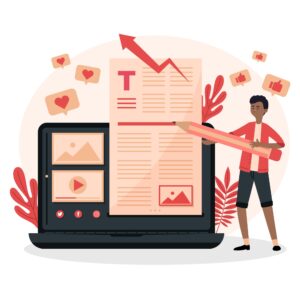
One of the biggest advantages of digital marketing is the ability to reach a larger audience. Traditional marketing methods often limit businesses to a specific geographic area. For example, a newspaper advertisement might only reach readers in a particular city or region. Digital marketing removes these limitations.
With the help of websites, search engines, and social media platforms, businesses can reach potential customers from different locations across the country or even around the world. A small business can promote its products online and attract customers who may have never discovered the brand through traditional advertising.
Cost-Effective Marketing Strategy
Marketing can be expensive, especially for small businesses and startups with limited budgets. Traditional advertising methods such as television commercials or large billboard campaigns often require a significant financial investment. Digital marketing offers more affordable options while still delivering effective results.
Platforms such as social media advertising, search engine marketing, and email marketing allow businesses to run campaigns with smaller budgets. Even organic strategies like search engine optimization (SEO) and content marketing can help businesses attract customers without spending heavily on advertisements. This makes digital marketing accessible for businesses at every stage of growth.
Targeting the Right Audience
Another major benefit of digital marketing is precise audience targeting. Traditional advertising often reaches a broad audience, many of whom may not be interested in the product or service being promoted. Digital marketing tools allow businesses to focus on specific groups of people who are more likely to become customers.
For example, advertisements can be targeted based on factors such as age, location, interests, online behavior, and purchasing habits. This means businesses can deliver their message to people who are genuinely interested in their offerings, increasing the chances of engagement and conversions.
Building Strong Brand Awareness
In a competitive market, building a strong brand identity is very important. Digital marketing helps businesses create and maintain a consistent brand presence across multiple online platforms. Websites, blogs, social media profiles, and online advertisements all contribute to how customers perceive a brand.
By regularly sharing useful content, engaging visuals, and helpful information, businesses can build trust and credibility among their audience. Over time, customers begin to recognize the brand and associate it with certain values, products, or services. This familiarity often leads to increased customer loyalty and repeat purchases.
Measurable and Data-Driven Results
One of the unique advantages of digital marketing is the ability to measure performance accurately. In traditional marketing, it is often difficult to determine exactly how many people saw an advertisement or how effective a campaign was.
Digital marketing platforms provide detailed insights and analytics. Businesses can track metrics such as website traffic, ad impressions, click-through rates, conversions, and customer engagement. These insights help marketers understand what strategies are working and where improvements are needed.
With this data, businesses can refine their marketing campaigns, optimize their content, and allocate budgets more effectively. This data-driven approach helps improve overall marketing performance over time.
Improved Customer Engagement
Digital marketing also creates opportunities for direct communication between businesses and customers. Social media platforms, email newsletters, and online chat systems allow brands to interact with their audience in real time.
Businesses can answer questions, respond to feedback, and provide support quickly. This interaction helps build stronger relationships with customers and makes them feel valued. When customers feel connected to a brand, they are more likely to trust it and recommend it to others.
Staying Competitive in the Digital Era
In today’s business environment, having an online presence is no longer optional. Many businesses are already investing in digital marketing strategies to attract customers and grow their brands. Companies that ignore digital marketing risk losing potential customers to competitors who are more visible online.
Customers often search online before making purchasing decisions. If a business does not appear in search results or on social media platforms, it may miss valuable opportunities to reach new customers. Digital marketing helps businesses stay competitive and relevant in an increasingly digital marketplace.
Digital marketing has become a powerful tool for businesses looking to grow and succeed in the modern marketplace. It allows companies to reach a larger audience, target the right customers, build brand awareness, and measure campaign performance effectively. Additionally, digital marketing provides cost-effective solutions and enables businesses to maintain strong relationships with their customers.
As technology continues to evolve and more people rely on digital platforms for information and shopping, the importance of digital marketing will only continue to grow. Businesses that embrace digital strategies and adapt to changing consumer behavior will be better positioned for long-term success.